BasicsQuestion 01
What is a reverse Kegel?
It is a common name for practising pelvic-floor relaxation: letting the muscles soften and lengthen, without pushing down.
BasicsQuestion 02
How is it different from a Kegel?
A Kegel contracts and lifts. A reverse Kegel focuses on releasing. Relaxation and strengthening are different skills; your care may involve either or both.
BasicsQuestion 03
Why might relaxation help with bowel movements?
Passing stool involves muscle coordination. For some people, difficulty relaxing is part of the problem. A clinician can assess whether that applies to you.
BasicsQuestion 04
Who might benefit?
Pelvic-floor relaxation may be part of care for people with difficulty releasing these muscles. Straining alone cannot establish that this is the right treatment.
BasicsQuestion 05
Constipation can include difficult passage and incomplete emptying. Stool softness alone does not identify the cause; persistent difficulty deserves assessment.
BasicsQuestion 06
Can men and women practise?
Both men and women have pelvic-floor muscles and may be advised to learn relaxation. Suitability depends on the person, not gender alone.
TechniqueQuestion 07
How do I do a reverse Kegel?
Get supported. Relax your jaw and belly. Breathe gently, letting the pelvic floor soften with the in-breath. Allow a natural return as you breathe out. Do not bear down.
TechniqueQuestion 08
Am I relaxing, or am I pushing?
Think softening rather than forcing downward. A strong push or a held breath is not the aim. If you cannot tell the difference, a pelvic-floor therapist can help.
TechniqueQuestion 09
What if I cannot feel the movement?
The movement can be subtle and takes practice. Avoid increasing force to chase a sensation. The animation is an illustration, not a measurement of your muscles.
Daily practiceQuestion 10
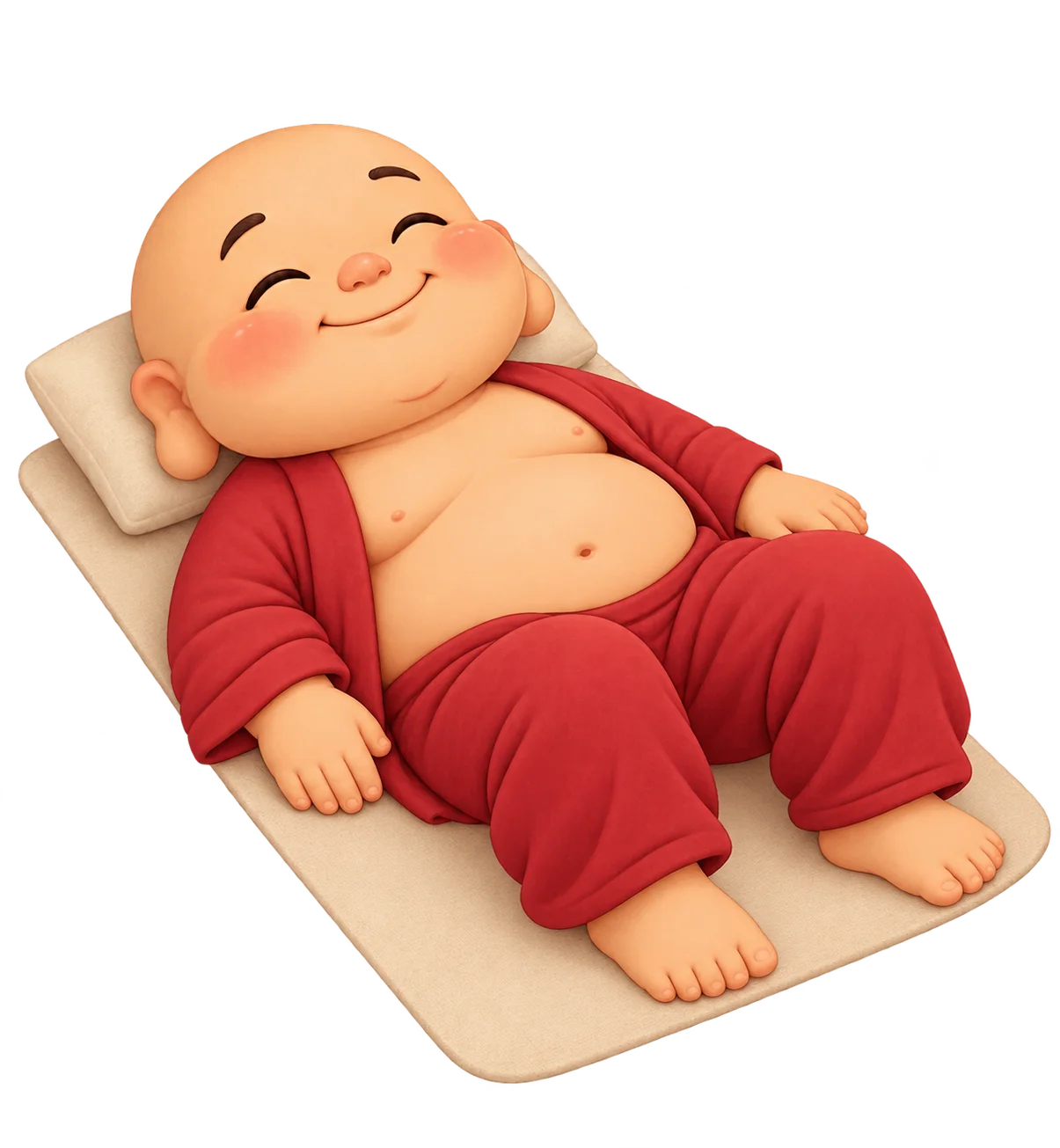
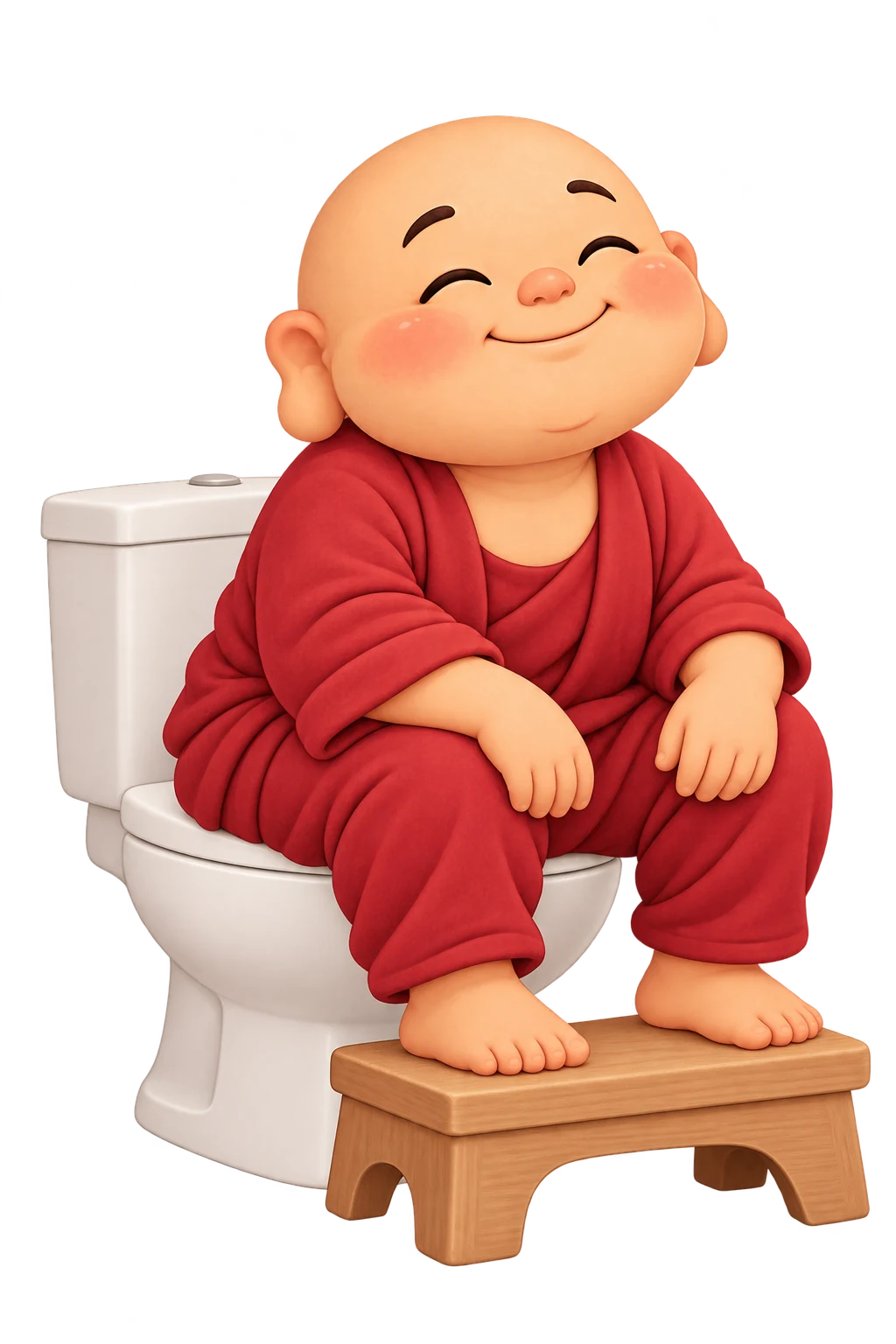
Where can I practise? Sitting or lying down?
Choose a quiet place and a comfortable supported seat or lying position. You do not need to be on the toilet to learn relaxation.
Daily practiceQuestion 11
When, how long, and how often?
Choose a time when you can practise comfortably. The lengths here are an introduction, not a prescribed dose. If your therapist has given you a schedule, follow that schedule.
Daily practiceQuestion 12
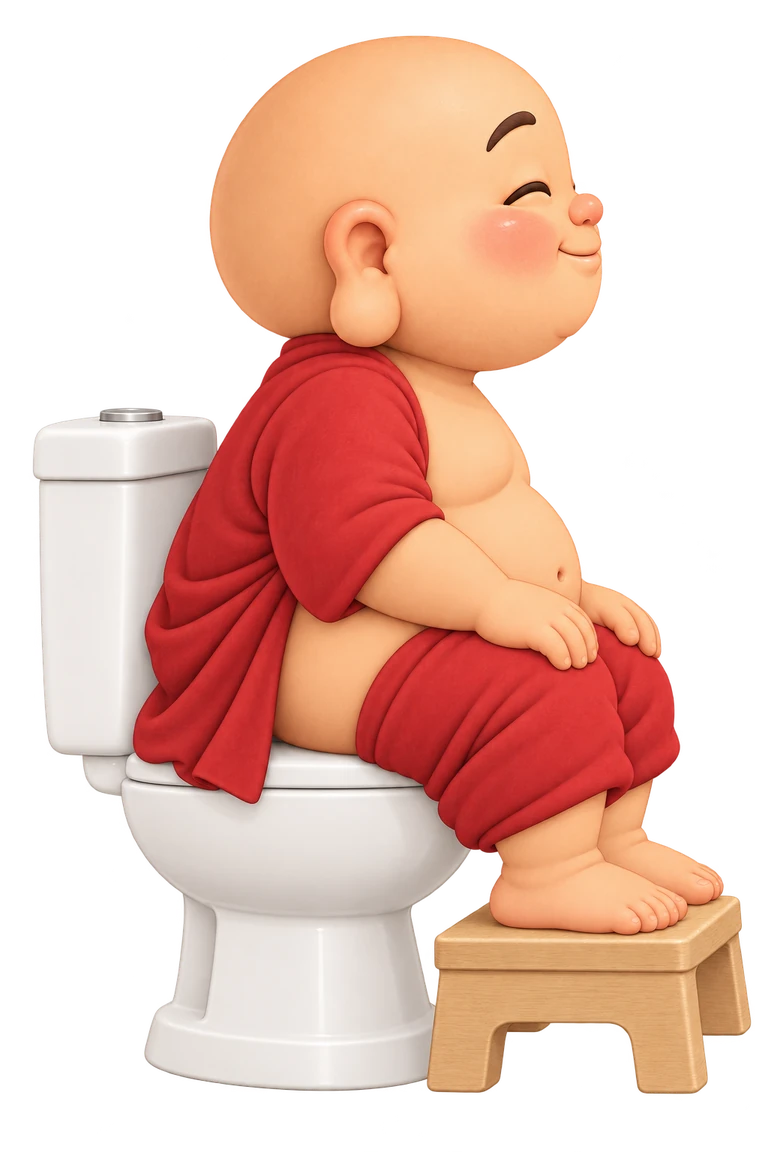
Should I keep practising on the toilet until I go?
No. Avoid prolonged toilet sitting and straining. This guide teaches a relaxation skill; repeating it is not a reason to stay on the toilet waiting for a bowel movement.
Daily practiceQuestion 13
Do I have to match the breathing counts?
No. The recording uses 10 seconds in and 14 seconds out, without a hold. Those long counts are optional. Breathe comfortably; pause or stop rather than force them.
SafetyQuestion 14
When should I stop?
Stop for pain, dizziness, breathlessness, or discomfort. Return to normal breathing. Do not continue through symptoms to finish a round. Seek individual advice if symptoms persist.
SafetyQuestion 15
Who should not use this as a self-treatment?
Do not use this guide against your care team’s restrictions or to push through symptoms. It cannot decide whether you need relaxation, strengthening, or another treatment.
SafetyQuestion 16
What about pregnancy, childbirth, surgery, prolapse, or leakage?
This demo does not screen these situations. Ask your maternity team, surgeon, or pelvic-floor clinician how the practice fits your circumstances and any existing restrictions.
SafetyQuestion 17
What if I have hemorrhoids or a fissure?
This guide is not an established treatment for either condition. A fissure may need specific care. Worsening pain or persistent bleeding needs medical advice.
SafetyQuestion 18
When does constipation need medical attention?
Seek medical care promptly for constipation with rectal bleeding, constant abdominal pain, inability to pass gas, vomiting, fever, or unexplained weight loss. Do not wait for this practice to help.
EvidenceQuestion 19
What does the evidence support?
Clinical guidance supports pelvic-floor therapy and biofeedback for certain coordination problems. That evidence does not prove that this standalone guide, or its exact breathing pace, treats constipation.
EvidenceQuestion 20
Is this pelvic-floor therapy or biofeedback?
No. This is an educational follow-along. Biofeedback and pelvic-floor therapy involve assessment and training with a qualified professional. The animation does not sense your muscle activity.
EvidenceQuestion 21
How soon will I notice a change?
We cannot promise a time to relief. Noticing how you feel before and after can help you follow your own experience, including no change or worsening; it does not prove that the practice caused it.
EvidenceQuestion 22
What if nothing changes?
Do not keep increasing effort or duration to chase a result. Record what happened. If difficulty continues, ask a clinician about assessment and other possible contributors.
Your practiceQuestion 23
What can I change?
Position, length, and voice, right on this page and free. Follow the cues at your own pace. The Gutsphere app adds before-and-after check-ins and a saved history.
Your practiceQuestion 24
Is anything I do here saved or shared?
No. This page does not save or send your choices. Share buttons send only the link to an answer.