Skip to content
gutsphere.

Guided practice · GI psychology

Tense after trying to go?
Take a breathing pause.

1 min · Written cues · Read the steps

Breathe gently at a comfortable pace without holding your breath.

  • 1 minute
  • Before & after check-ins
  • Free · no account

An educational follow-along, not treatment. Nothing you do here is saved.

A breathing pause between attempts

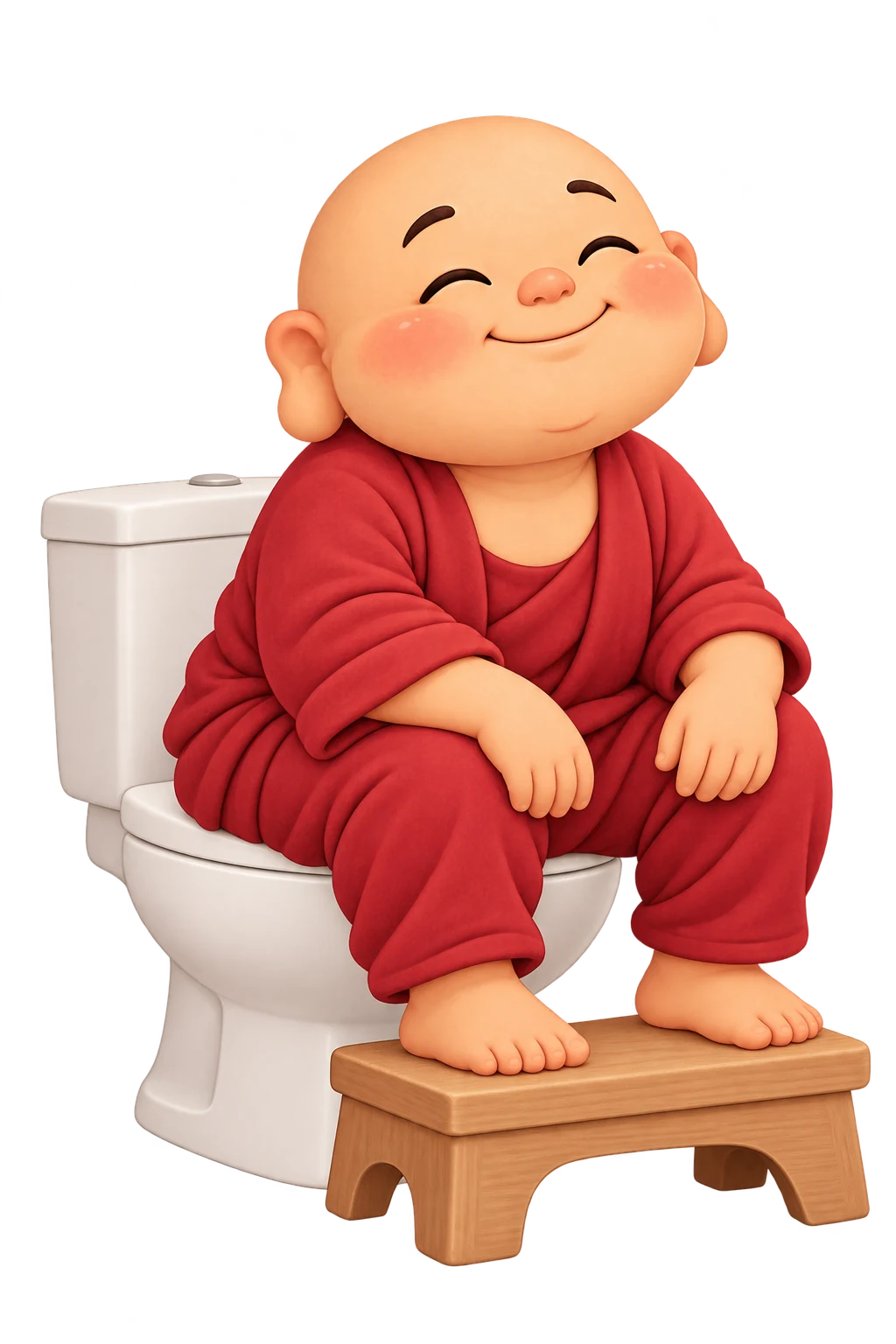
Gutsphere’s monk character sitting comfortably with hands on its belly, breathing gently.

Stop and return to ordinary breathing if you feel dizzy, breathless, or more distressed.

A breathing pause between attempts

About 1 min · 4 steps

About
  1. Settle into your seat. Let your back and feet feel supported.
  2. Breathe gently in. Stay with an easy breath. The circle is only a cue.
  3. Let the breath out. Keep it comfortable. There is no need to hold.
  4. Finish in your own time. Return to your usual breathing whenever you want.

The guided player needs JavaScript. You can follow these steps at your own pace.

Follow the written cues at your own pace.
Where this practice fits

Does this sound familiar?

Start with what brought you here.

Why it mattersTense after trying to go?Read the answer

Take a comfortable breathing pause after a frustrating attempt; constipation relief from this session is unproven. This offers a moment away from trying. You can stop whenever you want.

Who it’s forA pause you can chooseRead the answer

Try it for comfort; skip it if breathing attention causes distress or you already feel breathless. With a diagnosed condition, use it alongside your treatment. Follow your clinician’s breathing instructions if you have them.

When to use itBetween attempts at the toiletRead the answer

Choose a breathing pause after leaving an unsuccessful toilet attempt. This is an optional comfort activity. It does not require another attempt afterward.

Where to do itFind a supported seatRead the answer

Sit comfortably with your back supported and feet resting on the floor. Keep your eyes open if you prefer. No special room or equipment is needed.

The idea is simple

Let breathing feel easy.

Breathe gently at a comfortable pace without holding your breath. The moving circle is an optional cue. You do not need to match it.

  1. Settle into your seat Let your back and feet feel supported.
  2. Breathe gently in Stay with an easy breath. The circle is only a cue.
  3. Let the breath out Keep it comfortable. There is no need to hold.
  4. Finish in your own time Return to your usual breathing whenever you want.

Read the sources

Notice what changes

Less guesswork. Something to look back on.

Rate how tense you feel before the pause and again after. Then a short summary: before → after, and what to do if it felt worse.

You can bring what you notice to a conversation with your clinician.

Example answers. After a practice on this page, the phones show your own answers; nothing is saved.

1 · The check-in
2 · What it shows after

Your questions, answered

Know what you’re trying.

Read in order, or go straight to the question on your mind. Share an answer when someone else needs it.

Questions 1–3 of 10

Why it mattersQuestion 01

Can breathing help when a toilet attempt feels frustrating?

Take a comfortable breathing pause after a frustrating attempt; constipation relief from this session is unproven.

This offers a moment away from trying. You can stop whenever you want.

What it isQuestion 02

What is comfortable breathing?

Breathe gently at a comfortable pace without holding your breath.

The moving circle is an optional cue. You do not need to match it.

Who it’s forQuestion 03

Who should use or skip this breathing pause?

Try it for comfort; skip it if breathing attention causes distress or you already feel breathless.

With a diagnosed condition, use it alongside your treatment. Follow your clinician’s breathing instructions if you have them.

When to use itQuestion 04

When can I use breathing during constipation?

Choose a breathing pause after leaving an unsuccessful toilet attempt.

This is an optional comfort activity. It does not require another attempt afterward.

Where to do itQuestion 05

Where can I do the breathing pause?

Sit comfortably with your back supported and feet resting on the floor.

Keep your eyes open if you prefer. No special room or equipment is needed.

How to do itQuestion 06

How do I do the breathing pause?

Use gentle breaths without trying to fill your lungs as much as possible.

  1. Sit in a comfortable position.
  2. Let your shoulders rest.
  3. Breathe in gently.
  4. Let the breath leave gently.

Let the breath remain easy. You can finish at any point.

Common mistakesQuestion 07

What should I avoid during breathing practice?

Keep your own comfortable rhythm if the visual cue feels too slow or too deep.

Avoid breath-holding or forced breaths. Stop if concentrating on breathing makes you more distressed.

Does it work?Question 08

Does one minute of breathing treat constipation?

Not well studied for constipation; evidence about relaxation cannot prove that this one-minute pause helps you pass stool.

NCCIH discusses relaxation research for other outcomes. This player has no constipation trial or measured success rate.

See a professional ifQuestion 09

When should I seek help with breathing practice?

Ask a qualified mental health professional for support if breathing practice repeatedly increases anxiety.

Relaxation can feel unpleasant for some people. You can choose another activity rather than repeat it.

See a doctor ifQuestion 10

When should I see a doctor about constipation?

Get medical advice right away for constipation with bleeding, constant belly pain, vomiting, fever, or inability to pass gas.

Unexplained weight loss or new lower-back pain with constipation also needs prompt medical advice. If pain is severe, symptoms are rapidly worsening, or you feel seriously unwell, seek urgent care. Arrange a medical review for a sudden bowel-habit change or constipation that keeps returning despite self-care.

Evidence and review

Comfort is the limited aim.

Not well studied for constipation; evidence about relaxation cannot prove that this one-minute pause helps you pass stool.

No direct constipation evidence identified for this one-minute player; broader stress evidence is not transferred to stool outcomes.

Prepared by Gutsphere · Sources checked 2026-10-12

Make it yours

The same practice. Made yours in the app.

You can do this practice here for free. The app preview shows how settings and check-ins work.

  • Length, sound and cues
  • Every check-in saved, so you can see change
  • A summary to share with your clinician

Open Gutsphere

The Customize sheet in the Gutsphere app.

Useful reading

Browse all articles

When you want another step

Where would you like to go from here?